
Postpartum Depression: Why It Happens and How to Get Help


Postpartum Depression Is Real — And It’s Not Your Fault
You can love your baby deeply—and still feel overwhelmed, sad, or anxious. That doesn’t make you a bad mother. It makes you human.
Up to one in seven mothers experience postpartum depression, yet many suffer in silence because they believe they should be stronger, happier, or more grateful.
Postpartum depression is not caused by weakness, lack of love, or poor parenting. It is a common and serious medical condition—and it is treatable.
Many new mothers feel confused, overwhelmed, or even ashamed of how they feel after giving birth. Today, let’s talk about what postpartum depression really is—and why it happens.

What Causes Postpartum Depression (PPD)?
Postpartum depression does not have a single cause. Instead, it develops from a combination of biological, physical, emotional, and social factors that occur after childbirth.
1. Hormonal Changes
After delivery, levels of estrogen and progesterone drop rapidly and dramatically—one of the most abrupt hormonal shifts the human body ever experiences. This sudden change can disrupt mood regulation, similar to severe PMS or PMDD.
In some women, thyroid hormone levels also decrease, which can contribute to fatigue, depression, and mental fog.

2. Physical Exhaustion & Sleep Deprivation
Childbirth is physically demanding, and recovery—especially after a cesarean section—requires time and energy.
Chronic sleep deprivation from newborn care significantly affects emotional regulation, stress tolerance, and mood stability.
" When the body is exhausted, the brain struggles to cope "

3. Emotional & Psychological Stress
Many mothers experience emotional challenges such as:
Feeling overwhelmed or inadequate
Anxiety about caring for a newborn
Loss of personal identity or independence
Changes in body image
These emotional shifts are common, but they can increase vulnerability to depression, especially when combined with physical exhaustion and hormonal changes.

4. Support System & Life Stressors
The risk of postpartum depression increases when mothers face:
Limited emotional or practical support
Relationship conflict
Financial stress
Recent trauma or major life changes
Isolation is one of the strongest contributors to worsening postpartum depression symptoms.

5. Personal & Family Mental Health History
Women with a history of:
Depression or anxiety
Prenatal depression
Previous postpartum depression
Family history of mood disorders
are at higher risk and should be closely monitored during and after pregnancy. Early support can make a significant difference.
6. Baby-Related Factors
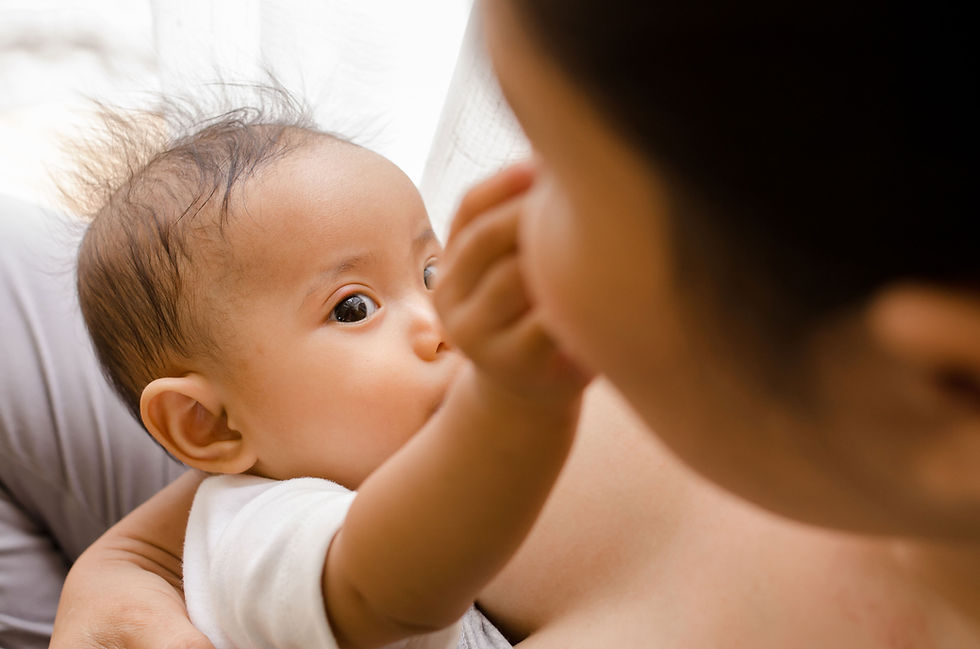
Caring for a baby who:
Has special medical needs
Cries excessively
Is part of a multiple birth (twins or triplets)
can significantly increase physical and emotional stress, increasing the risk of postpartum depression.
Baby Blues vs. Postpartum Depression
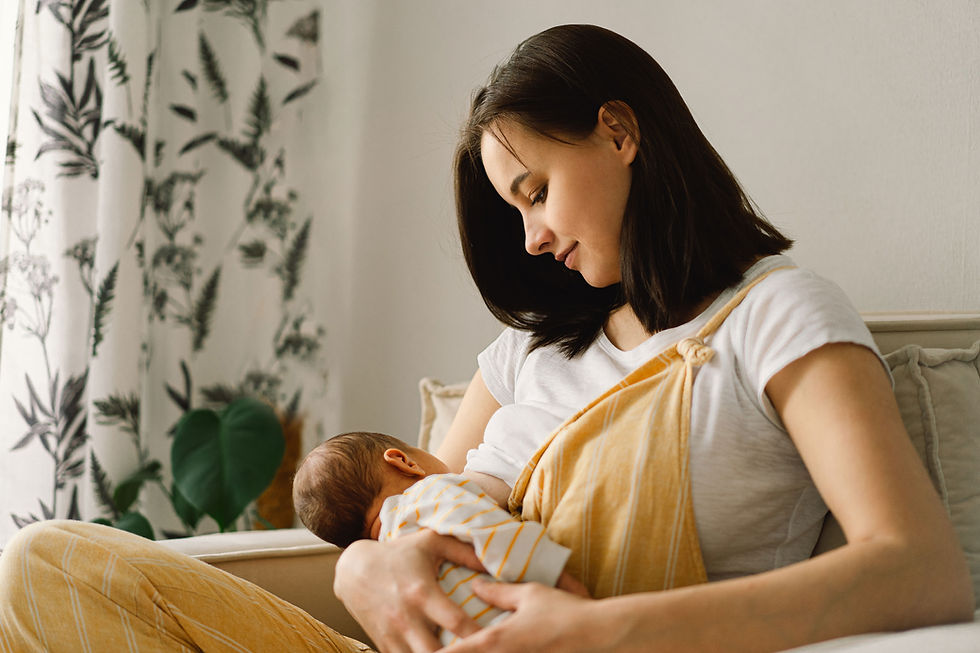
Baby Blues
Affects up to 80% of new mothers
Begins within days of delivery
Symptoms are mild and usually resolve within 2 weeks
Postpartum Depression
Symptoms are more intense and persistent
Last longer than 2 weeks
Interfere with daily functioning and bonding
Often require medical and psychological treatment
The Good News
Postpartum depression is highly treatable. With early recognition, proper support, therapy, and—when needed—medication, many mothers make a full recovery.
Seeking help is a sign of strength, not failure.
You Don’t Have to Go Through This Alone

If you are struggling with postpartum depression, Nippon Clinic is here to help.
We offer:
Comprehensive health evaluations
Laboratory testing
Medication management
Psychotherapy and mental health support
📍 Visit us online: www.nipponclinic.vegas
Your mental health matters—because you matter.



Comments